

One of Hoi An’s most famous street food dishes is Cao Lau. But what other dishes does Hoi An have to offer? Put together by Hoi An Food Safari, this Guide to Hoi An Street Food provides an instructive take on many of the different foods you’ll come across in Hoi An.
Hoi An Street Food
Banh Mi
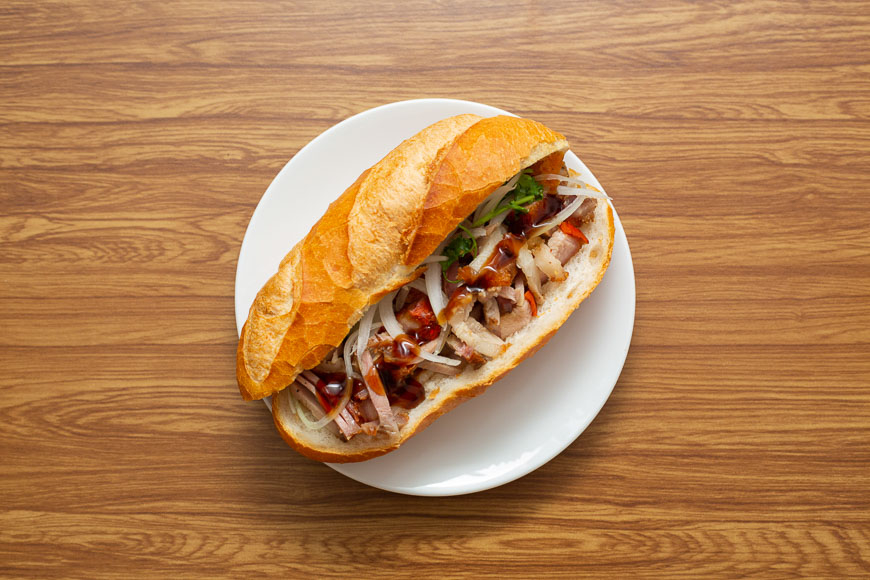
Bread roll filled with a delectable combination of pork, salad, homemade mayonnaise, pate, and spicy sauces. ‘As many of the ingredients are homemade, you get quite different results, so move around to explore the variety. Look for those that make their own pate, mayonnaise, and sauces for the best results.’
Pho
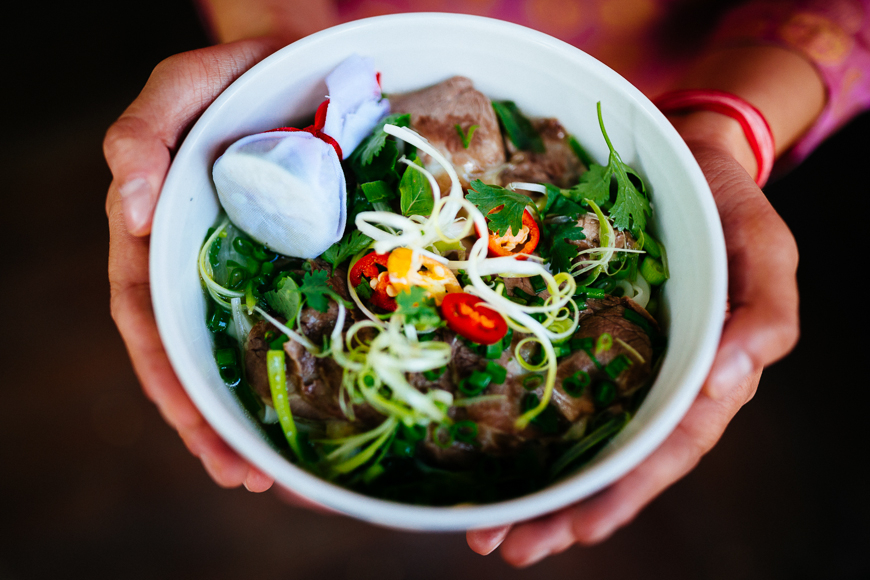
Pho is considered Vietnam’s ‘national dish’ due to its widespread popularity. It is food of the common people; bona fide street food. Originally from Hanoi, pho is the ultimate comfort food – flavorsome, warm, and piquant. Pho is all about the broth. Traditionally, the broth for pho is made with simmering beef or chicken bones, charred onions, and spices such as cinnamon, star anise, ginger, coriander, and cloves. The broth is added to flat white rice noodles and meat. Typical accompaniments are lime wedges, chilli sauce, soya sauce, Vietnamese basil, and bean sprouts. Pho Bo (made with tender beef slices) is more popular than Pho Ca (chicken slices), but both are delicious.
Cao Lau
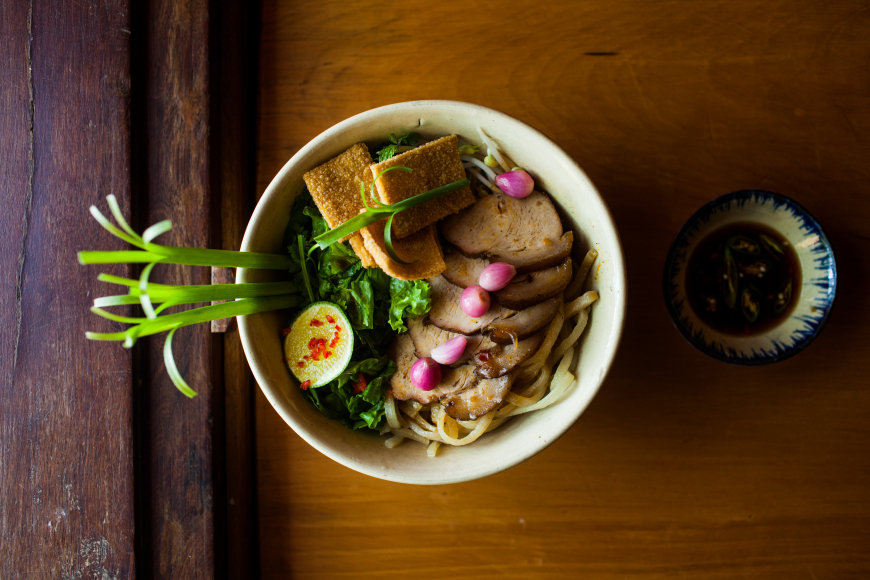 A genuine Hoi An specialty, cao lau features thick, chewy yellow noodles served with slices of long-cooked, aromatic pork in a shallow but intensely flavored pork broth. It’s topped with fresh local greens and large, square rice paper “croutons” for added crunch. The uniqueness of cao lau lies in its noodles, traditionally made with water from the ancient Ba Le Well and mixed with ash from the Cham Islands, which gives them their distinctive color and texture. This is a dish you’ll only truly find in Hoi An—outside the city, it’s never quite the same.
Xi Ma
.jpg)
A rich, black sesame seed paste simmered with a closely guarded blend of herbs and spices. Although its appearance—thick, glossy, and black—may not win any beauty contests, locals adore its slightly sweet, nutty flavor. Considered to aid digestion and improve health, xi ma is often eaten as a quick snack throughout the day. Vendors usually sell it from small pots on bicycles or market stalls.
Dau Hu (Tofu Dessert)
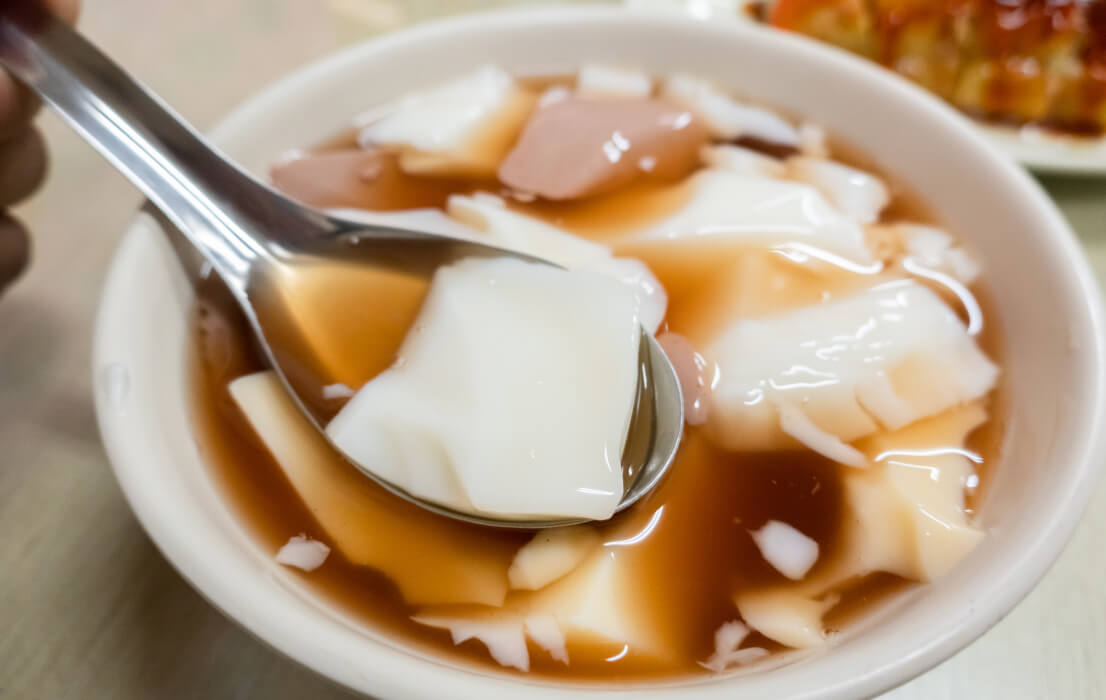
A delicate tofu pudding with a silky texture similar to panna cotta. It’s served in a light, sweet ginger syrup that gives it a comforting warmth, making it especially popular during cooler weather. A common street-side treat, dau hu is both refreshing and light—perfect after a heavier meal.
Com Ga (Hoi An Chicken Rice)

One of the city’s most beloved dishes, com ga is rice cooked in fragrant chicken stock, then tossed in a wok with shredded poached chicken, fresh herbs, lime juice, onion, and chili. The influence of Chinese cuisine is evident in its preparation, but the use of local spices and herbs makes it distinctly Vietnamese. It’s often served with a small bowl of chicken broth on the side.
Mi Quang
A noodle dish from Quang Nam province, mi quang features turmeric-infused rice noodles served with shrimp, pork, chicken, or beef. The noodles are topped with roasted peanuts, fresh herbs, and crispy sesame rice crackers, with just a small amount of intense meat broth poured over. It’s a celebratory dish, often prepared for special occasions, but it’s also a favorite midday meal.
Banh Dap (Smashing Rice Paper)
A fun snack of crispy rice paper layered over soft rice paper, then “smashed” together before eating. It’s served with pungent fish sauce for locals or soy sauce for those with milder tastes. A popular pairing with cold beer, especially among groups of friends in casual roadside eateries.
Banana Pancake

A street-food staple across Vietnam, the Hoi An version is often made by mashing ripe banana into batter and deep-frying until golden and crispy. Sometimes, vendors also fry doughnuts alongside them. The key to enjoying this snack is to ensure the oil is fresh and hasn’t been used for savory foods, as lingering flavors can affect the taste.
Trung Vit Lon (Balut)
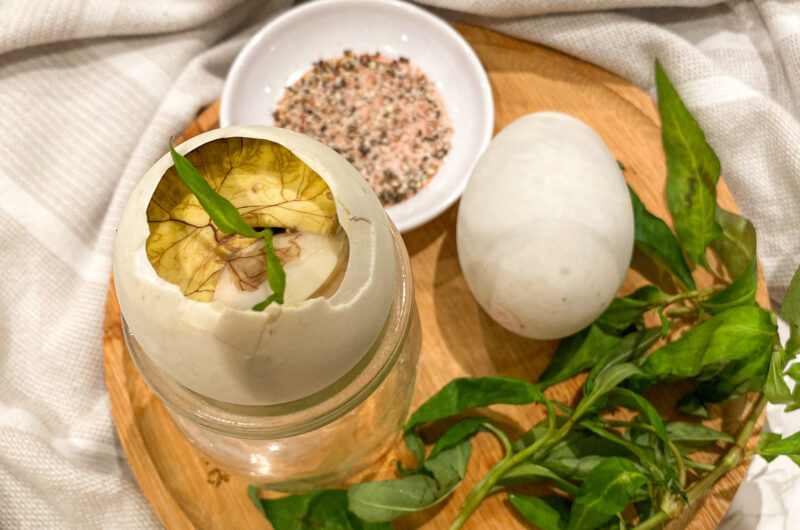
A fertilized duck egg, boiled and eaten straight from the shell with herbs, salt, and pepper. In Hoi An, you’ll often find them sold by older women with a single lightbulb illuminating their trays at night markets. While it’s considered a delicacy and a source of nutrition (especially for pregnant women), it’s not to everyone’s taste. Many younger locals are turning away from it in favor of other street food options.
Betel Nut
Chewing betel nut is an ancient habit now mostly maintained by the older generation in Hoi An. The nut is wrapped in betel leaf with lime paste made from powdered clam and snail shells, releasing a mild stimulant effect. It’s a practice deeply rooted in local tradition, though far less common today.
Ca Ri (Vietnamese Curry)
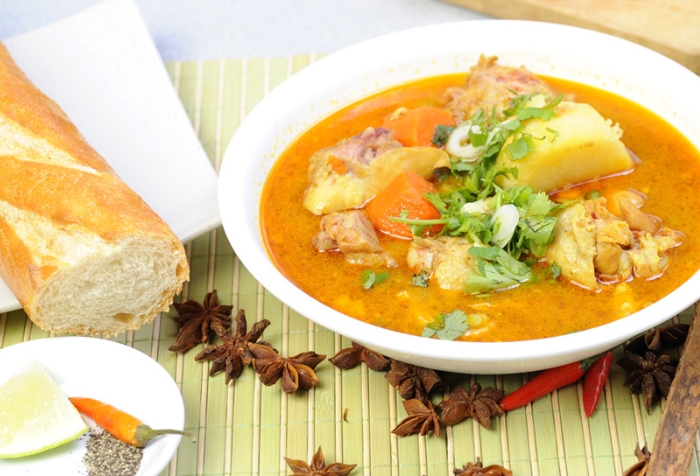
Hoi An’s curries are lighter than their Indian counterparts, often made with coconut milk, lemongrass, and turmeric, and served with either bun noodles or a fresh baguette (banh mi). The flavors are aromatic rather than fiery, making them approachable for those new to Vietnamese cuisine.
Banh Xeo (Crispy Pancake)

A thin, crispy rice flour pancake filled with shrimp, pork, and bean sprouts, served with a fresh herbal salad and rice paper for wrapping. Dip it into a tangy fish sauce or green chili salt mix for the full experience. In Hoi An, these pancakes are often smaller and crispier than in other regions.
Sinh To (Fruit Smoothie)
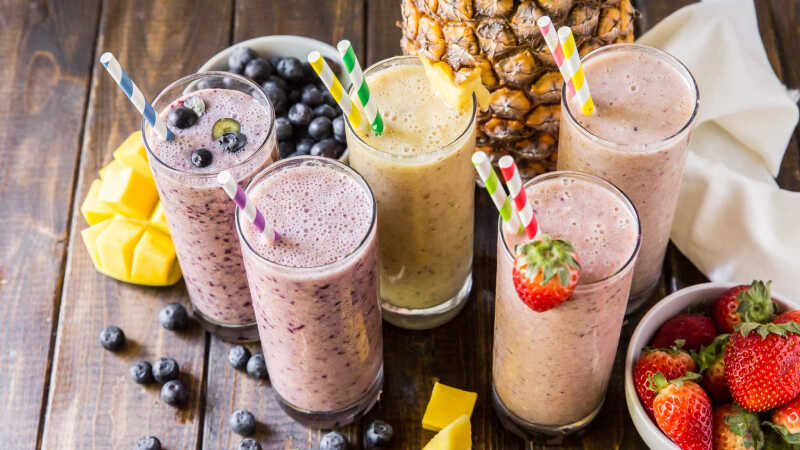
A colorful mix of tropical fruits—mango, dragon fruit, avocado, watermelon, papaya—blended or crushed with ice and a dash of condensed milk. The smashed version (sinh to dam) leaves the fruit chunky, letting you taste each flavor individually, while the blended version (sinh to xay) is smooth and creamy.
Banh Can

Mini rice flour pancakes cooked in clay molds, each topped with a quail egg and sometimes shrimp or pork. They’re crispy on the outside, soft inside, and usually served with a sweet-sour fish sauce and fresh herbs.
Op La

A hearty breakfast dish somewhere between a fried egg and an omelette, often with pork mince, onions, and vegetables. It’s typically served hot in a small pan, alongside a crusty banh mi roll, fresh tomato, and lettuce.
Best Places to Buy Street Food
For cheap eats, you’ll find countless street food vendors and stalls dotted all over Hoi An serving up authentic and delectable Vietnamese dishes, ranging from Pho to Cao Lau to Banh Mi – a safe assumption being that a meal will cost you a quarter of what you’d pay back home.
Thai Phien Street

A short walk outside of the Old Town is a fantastic part of Hoi An, lined with street food stalls and local joints, so cheap that you’ll hardly notice spending a single dong.
The An Hoi food court, located at the east end of An Hoi Island, as well as the Central Market in the Old Town, are packed with eateries selling local food at rock-bottom prices that are hard to beat.
Hoi An Food Safari
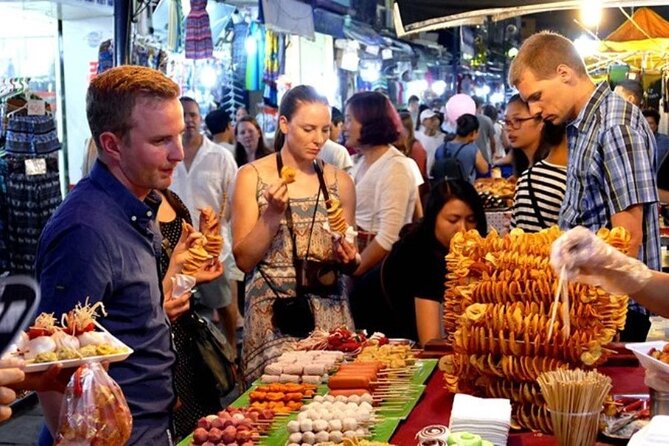
The Hoi An Food Safari is an unmissable, personalized culinary adventure designed for food lovers who want to experience the city like a local. More than just a guided walk, it’s an immersive journey into the vibrant street food culture that has made Hoi An one of Vietnam’s most celebrated food destinations.
Whether you’re an adventurous eater or simply curious about Vietnam’s rich culinary culture, the Hoi An Food Safari is the perfect way to taste the city’s soul.