

During the 16th and 17th centuries, Hoi An emerged as one of Southeast Asia’s most vibrant and active international trading ports. Strategically located along the Thu Bon River and connected to the South China Sea, it served as a crucial commercial gateway that attracted merchants, sailors, and missionaries from across the world. Among the most notable visitors were Dutch and French traders, as well as Portuguese missionaries, all of whom left a lasting mark on the town’s cultural and architectural identity.
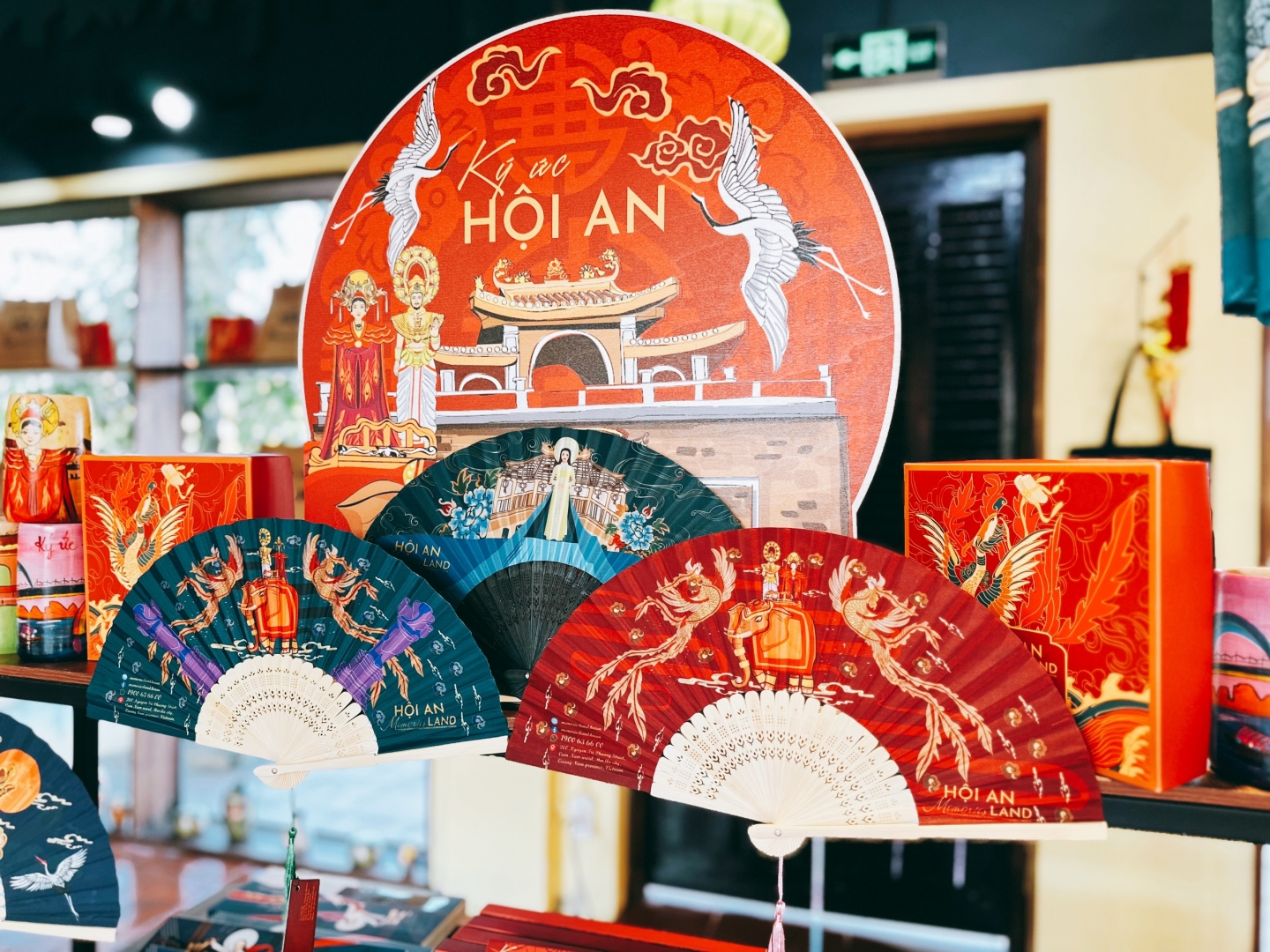
From the West, ships arrived from the Netherlands, France, and Portugal, bringing with them goods, ideas, and ambitions for trade and cultural exchange. These foreign merchants were drawn to Hoi An for its reputation as a reliable source of high-demand goods such as spices, tea, ceramics, and fine silk. Local producers, craftsmen, and traders quickly adapted to the growing demand, making Hoi An an essential stop on the maritime Silk Road and one of the few Southeast Asian cities with sustained Western commercial presence.
The Dutch East India Company, known for its extensive trade networks in Asia, was among the earliest and most influential players in Hoi An’s economic boom. They established trading posts and firm houses near the waterfront, forming alliances with local authorities and merchants. The French, too, arrived in significant numbers, not only to trade but also to explore political and religious opportunities, often working alongside the Portuguese who had already begun evangelizing in the region.
These Western visitors did not just engage in commerce—they also contributed to the unique cultural tapestry of the city. One of the most visible legacies of this era can be found in the architecture that still characterizes parts of Hoi An today. Dutch-style gabled houses and French colonial villas began to emerge in certain quarters of the town, blending with existing Vietnamese and Chinese architectural influences. The result was a rare and harmonious mixture of East and West, a cosmopolitan aesthetic that symbolized the town’s open and international spirit.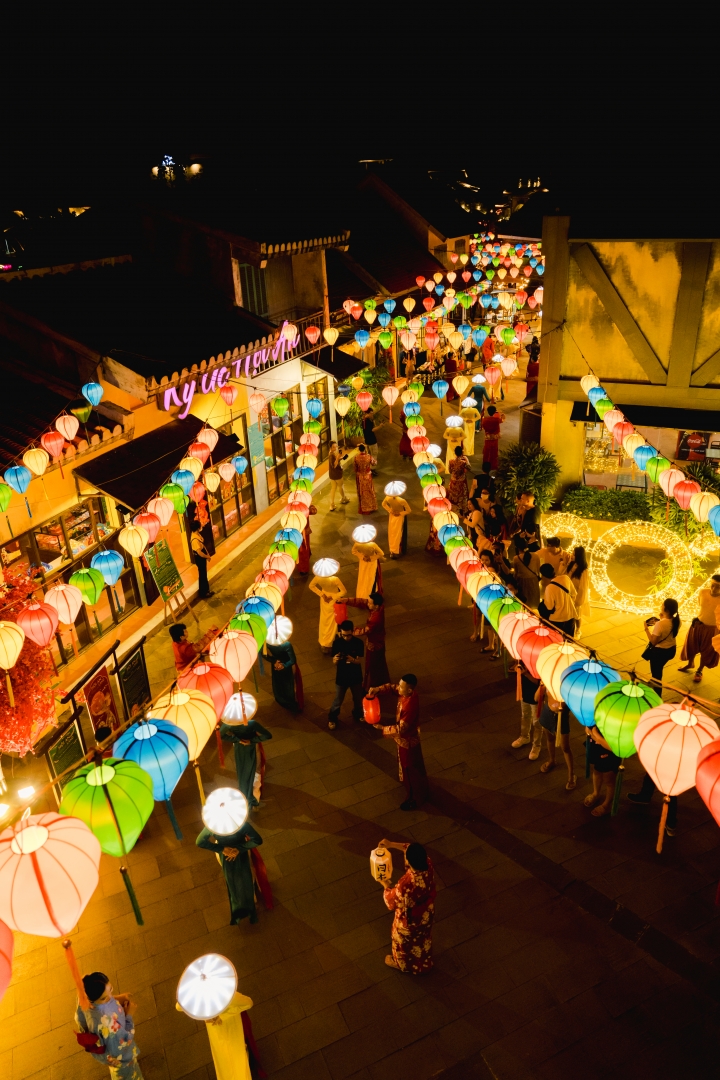
This architectural diversity became a defining feature of Hoi An’s urban landscape. Walking through the old town, visitors can still find traces of this international past—buildings with wooden shutters and balconies reminiscent of European towns, side by side with Chinese assembly halls, Japanese merchant houses, and traditional Vietnamese homes. Each structure tells a story of cross-cultural exchange and shared prosperity.
Hoi An was not only a hub for material trade but also for cultural interaction. Along with goods, the port welcomed new religions, languages, and technologies. Portuguese missionaries, for example, brought with them the Latin alphabet, which would later influence the development of the Vietnamese written script known as quốc ngữ.

The trading port eventually declined in the 19th century due to political shifts and changes in maritime routes, but its legacy continues to live on. Today, Hoi An stands as a UNESCO World Heritage Site, celebrated for its well-preserved architecture and multicultural heritage.
In its golden age, Hoi An was more than just a place of commerce—it was a meeting point of civilizations, where the currents of the East and West converged to create a uniquely rich and enduring cultural legacy.